Clear siding decisions start with understanding what board and batten is and how the system functions. This vertical siding profile relies on wide panels, defined spacing, and batten trim to create structure and durability when installed correctly. Material selection and layout directly affect performance, longevity, and appearance.
This guide focuses on construction fundamentals, cost drivers, and installation standards so the siding choice can be evaluated on function, not trend appeal.
What is Board and Batten Siding?
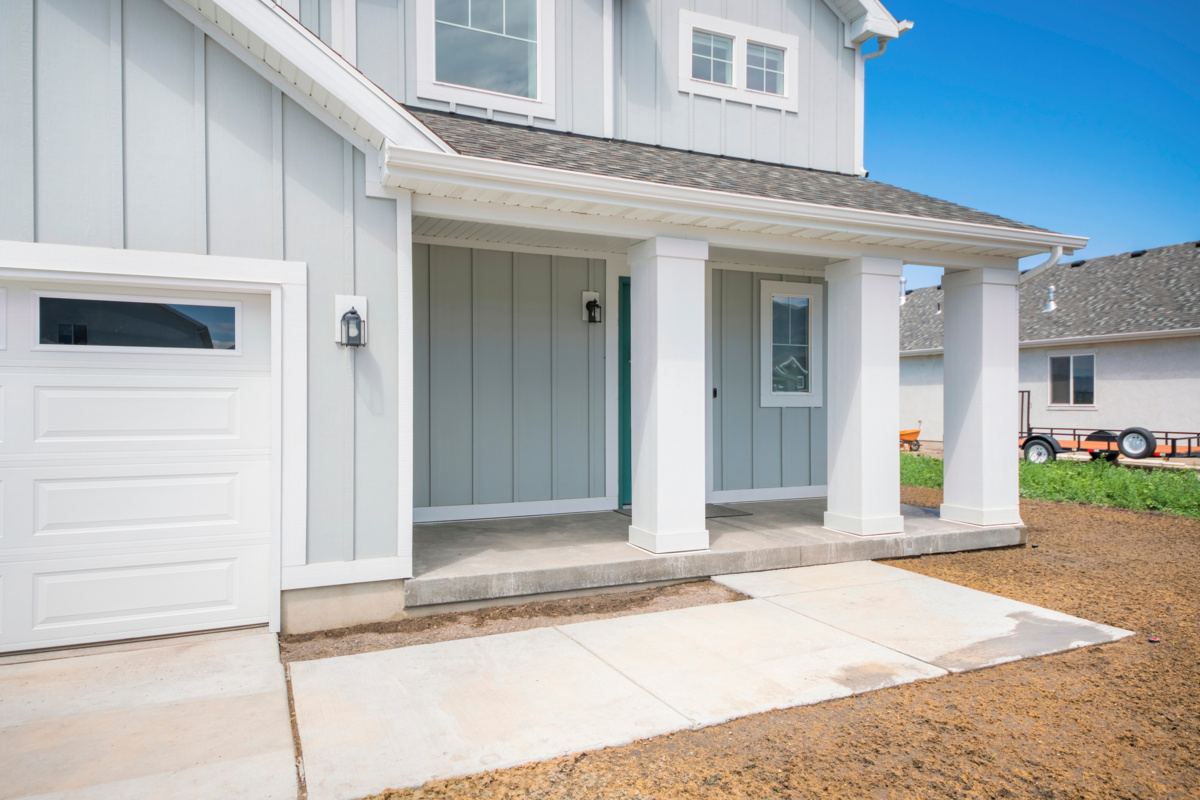
Board and batten siding is a vertical siding style made up of wide boards installed side by side, with narrow strips called battens covering the seams. The vertical orientation creates strong lines that draw the eye upward and add visual height to a home.
Historically, this method was used on barns and early American homes because it was efficient and weather-resistant. Today, the look remains popular, but the materials and installation methods are very different. Modern systems rely on engineered products that improve durability, moisture control, and consistency.
How the Board and Batten Profile Works
- Wide vertical panels form the main surface
- Battens cover panel joints and create texture
- Spacing can be adjusted for different design styles
Traditional vs Modern Installations
Older installations used raw wood boards and battens. Modern installations use factory-made panels and trim designed to perform as a complete siding system.
Common Misconceptions
Some homeowners confuse this style with generic vertical siding. True board and batten includes distinct battens and intentional spacing, not flat panels alone.
Why Homeowners Choose Board and Batten Siding
This siding style remains popular because it combines appearance with performance when installed correctly.
Curb Appeal and Architectural Impact
Vertical lines add structure and balance. Board and batten works well on farmhouses, modern builds, and transitional designs.
Performance Benefits With Modern Materials
- Improved moisture resistance
- Strong wind performance
- Better dimensional stability than traditional wood
Maintenance Expectations
Maintenance depends heavily on material choice. Fiber cement versions require far less upkeep than wood.
Key Takeaway: The visual style stays the same, but long-term performance depends on the material and installation quality.
Board and Batten Siding Materials Compared
Material choice affects lifespan, maintenance, and cost more than the style itself.
Fiber Cement Board and Batten
This is the most common option we install. Fiber cement resists rot, insects, fire, and moisture. It holds paint well and performs consistently in changing weather.
Engineered Wood Options
Engineered wood offers a natural look with improved stability, but it still requires careful moisture management and ongoing maintenance.
Vinyl Board and Batten
Vinyl can be a lower-cost option, but panel sizes and color stability can limit design flexibility and long-term appearance.
Our Recommendation
For most homes, fiber cement provides the best balance of durability, appearance, and value over time.
Board and Batten Siding Cost: What Impacts Price
Costs vary based on home size, design complexity, and material selection.
Average Installed Cost
Most homeowners can expect a higher investment than standard lap siding due to labor and trim details.
Factors That Affect Final Pricing
- Wall height and accessibility
- Batten spacing and layout
- Trim, corners, and window detailing
- Removal of existing siding
Why Installation Quality Matters
Poor flashing or layout mistakes lead to moisture issues and visible flaws that shorten the life of the siding.
Pro Tip: A well-installed system costs less over time than a cheaper installation that needs repairs.
Need expert help with siding replacement? Contact Elevate Exteriors for a free consultation and clear pricing guidance.
Design Options: How Board and Batten is Used on Real Homes
This style allows for flexibility when planned correctly.
Full-Home Applications
Using board and batten on all elevations creates a bold look. Wider spacing helps keep the exterior balanced.
Accent Walls and Gables
Many homeowners use it selectively on gables or upper levels to add contrast without overwhelming the design.
Mixing With Lap Siding
Combining board and batten with lap siding often creates a clean, timeless exterior that avoids trend fatigue.
Board and Batten Siding Colors That Age Well
Neutral colors tend to perform best long-term.
- White and off-white remain popular
- Light grays and warm neutrals hide wear
- Dark colors require more planning and proper product selection
Factory-finished siding helps reduce repaint cycles and maintain a consistent appearance.
How We Install Board and Batten Siding
Our team follows a disciplined, step-by-step process to ensure the siding performs as intended and maintains its appearance over time. Each phase focuses on moisture control, structural protection, and clean visual alignment.
Planning and Product Selection
We review wall exposure, elevation layout, and architectural details before choosing materials. This allows us to recommend products and batten spacing that suit the home’s design and local conditions.
Wall Prep and Moisture Control
We install proper water-resistive barriers, flashing, and drainage details before any siding goes up. These steps protect the wall assembly and help prevent moisture intrusion behind the siding.
Precision Layout and Batten Spacing
We measure and mark all panels and battens to maintain consistent spacing across the elevation. This prevents visual drift and ensures the finished siding looks deliberate and professional.
Trim and Finish Work
We integrate trim at corners, windows, doors, and transitions to create clean lines and sealed edges. Careful finish work improves both curb appeal and long-term durability.
Getting the Board and Batten Look With James Hardie Products
Fiber cement products allow homeowners to achieve the classic look with modern performance. Hardie Panel vertical siding paired with Hardie Trim battens creates a durable system designed to handle moisture, temperature changes, and long-term exposure.
Key Takeaway: Modern fiber cement systems deliver the board-and-batten look without the ongoing maintenance of wood.
Is Board and Batten Right for Your Home?
This style works best for homeowners who want strong curb appeal, long-term durability, and a defined exterior design. In some cases, other siding profiles may better match a home’s architecture or budget. We help homeowners evaluate those factors before making a decision.
Schedule a Board and Batten Siding Consultation
Choosing siding is a long-term investment. Our team helps homeowners plan, budget, and install siding systems that perform as intended. If you are ready to explore options or want a professional opinion, contact Elevate Exteriors to schedule a consultation and get clear answers about what board and batten siding is.