
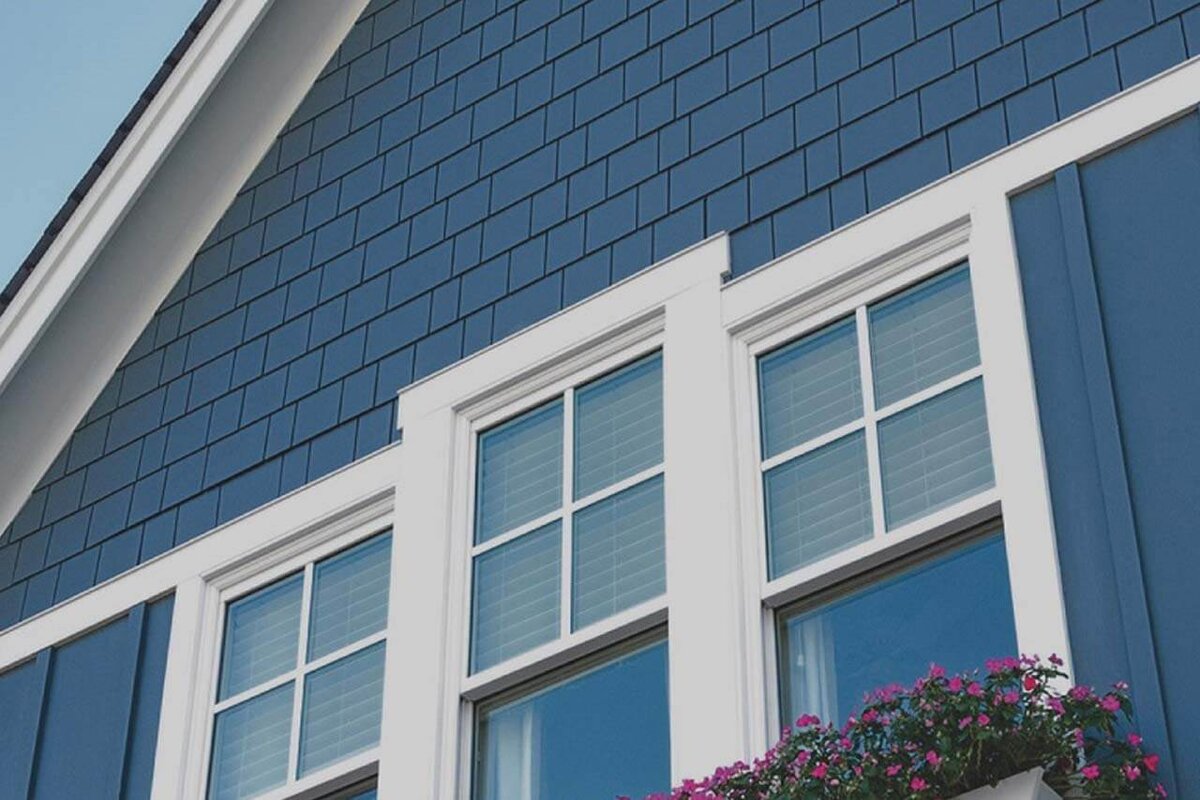
Before exterior siding is selected, it helps to be clear on how moisture is handled and whether Hardie Board is actually waterproof in real-world conditions. That understanding shapes expectations for durability and long-term exterior performance. Hardie Board is designed to withstand repeated exposure to water, with overall results tied to correct detailing and installation practices.
The Short Answer Up Front
Hardie Board is not fully waterproof. It is engineered to be highly water-resistant when installed correctly. Fiber cement siding performs best as part of a complete exterior system that controls water at multiple layers.
What protects your home is not just the board itself. It is the weather barrier, flashing, fastening method, and detailing around openings. When those components work together, moisture stays out, and the siding performs as intended for decades.
Key Takeaway: Hardie Board resists water very well, but no siding material works alone without proper moisture management.
What Hardie Board Is Made Of and Why That Matters
Hardie Board is a fiber cement product made from cement, sand, and cellulose fibers. This composition gives it strength and stability in wet conditions.
Because it contains cement, it does not rot like wood. It also does not trap moisture the way some plastic-based sidings can. When exposed to rain, it absorbs very little water and releases it without swelling or warping.
Products manufactured by James Hardie are tested for moisture exposure, freeze-thaw cycles, and long-term durability. The material itself is reliable, but the installation determines how well it protects the structure underneath.
Is Hardie Board Waterproof or Water Resistant?
Waterproof vs. Water-Resistant Materials Explained
Waterproof materials are designed to block all water penetration under continuous exposure. Water-resistant materials slow water intrusion and dry out without damage.
Exterior siding falls into the water-resistant category. It sheds water and works with other layers to move moisture away from the home.
How Hardie Board Handles Moisture Exposure
Hardie Board performs well in wet conditions because it:
- Resists swelling and softening
- Does not rot or attract insects
- Maintains structural integrity after repeated wetting
This performance only holds when installation follows the manufacturer’s specifications.
Pro Tip: When homeowners ask if Hardie Board is waterproof, the better question is whether the full siding system was installed correctly.
Why Installation Determines Water Performance
The Role of the Weather-Resistive Barrier
The weather-resistive barrier is the primary defense against water intrusion. It sits behind the siding and prevents moisture from reaching the wall sheathing.
Without this layer installed properly, even the best siding cannot protect a home.
Flashing, Taping, and Penetration Sealing
Most leaks occur around windows, doors, and joints. Proper flashing and seam tape redirect water back out instead of letting it soak into the framing.
Fastening and Clearances Matter
Hardie Board must be fastened to studs and installed with proper spacing from roofs, soil, and concrete. These clearances allow water to drain and prevent long-term moisture exposure.
Key Takeaway: Siding failures are usually installation failures, not product failures.
Where Hardie Board Performs Best on a Home
Hardie Board is commonly used for:
- Full exterior siding systems
- Gables and dormers
- Accent walls and trim applications
When paired with proper moisture control, it performs well across the entire exterior envelope.
Should Hardie Board Be Waterproofed?
When Additional Waterproofing Is Necessary
Extra waterproofing may be appropriate for:
- Walls with extreme exposure to wind-driven rain
- Complex wall designs with multiple transitions
- Homes in high-humidity or freeze-thaw regions
When It Is Not Necessary
Most standard siding installations do not require additional waterproof coatings when the system is built correctly. Over-applying products can increase cost without improving performance.
Need expert help with siding installation? Contact Elevate Exteriors for a free consultation. Our team installs complete siding systems designed to manage moisture correctly from the start.
Common Moisture Problems Caused by Poor Siding Installations
We often see moisture damage caused by:
- Vinyl siding that allows water behind the panels
- Engineered wood products that absorb moisture
- Missing flashing or poorly sealed seams
These issues can lead to mold, rot, and insulation damage inside the walls.
Why Moisture Management Matters in Portland
Homes in the Portland area are exposed to frequent rainfall, long wet seasons, and persistent moisture in the air. When water gets behind siding, it can remain trapped for extended periods, increasing the risk of rot, mold, and structural damage.
A siding system designed to manage moisture correctly helps protect wall framing, insulation, and indoor air quality over time, especially in a climate where drying conditions are limited.
How Long Does Hardie Board Last When Installed Correctly?
Hardie Board siding can last 40 to 50 years or more with proper installation and maintenance. The board itself holds up well. The main maintenance item is exterior caulk.
High-quality sealants typically last 15 to 20 years and should be inspected periodically to keep the system sealed.
Does Hardie Board Require a Specialized Installer?
Yes. Fiber cement siding requires trained installers who understand fastening patterns, clearances, and moisture detailing. This is not a product suited for shortcuts or inexperienced crews.
Proper installation protects your warranty and your home.
Hardie Board vs Other Siding Materials for Moisture Resistance
- Hardie Board: Resists water and dries without damage
- Vinyl siding: Often allows water behind panels
- Wood siding: Absorbs moisture and can rot over time
For moisture control, fiber cement consistently outperforms many alternatives.
Final Takeaway: Is Hardie Board Waterproof or Water Resistant?
Hardie Board is not fully waterproof, but it is highly water-resistant when installed as part of a complete exterior system. The siding, weather barrier, flashing, and fastening details work together to protect your home.
If you want durable siding installed the right way, Elevate Exteriors can help. Schedule a consultation to see if Hardie Board is the right solution for your home, because long-term protection starts with understanding whether Hardie Board is waterproof.