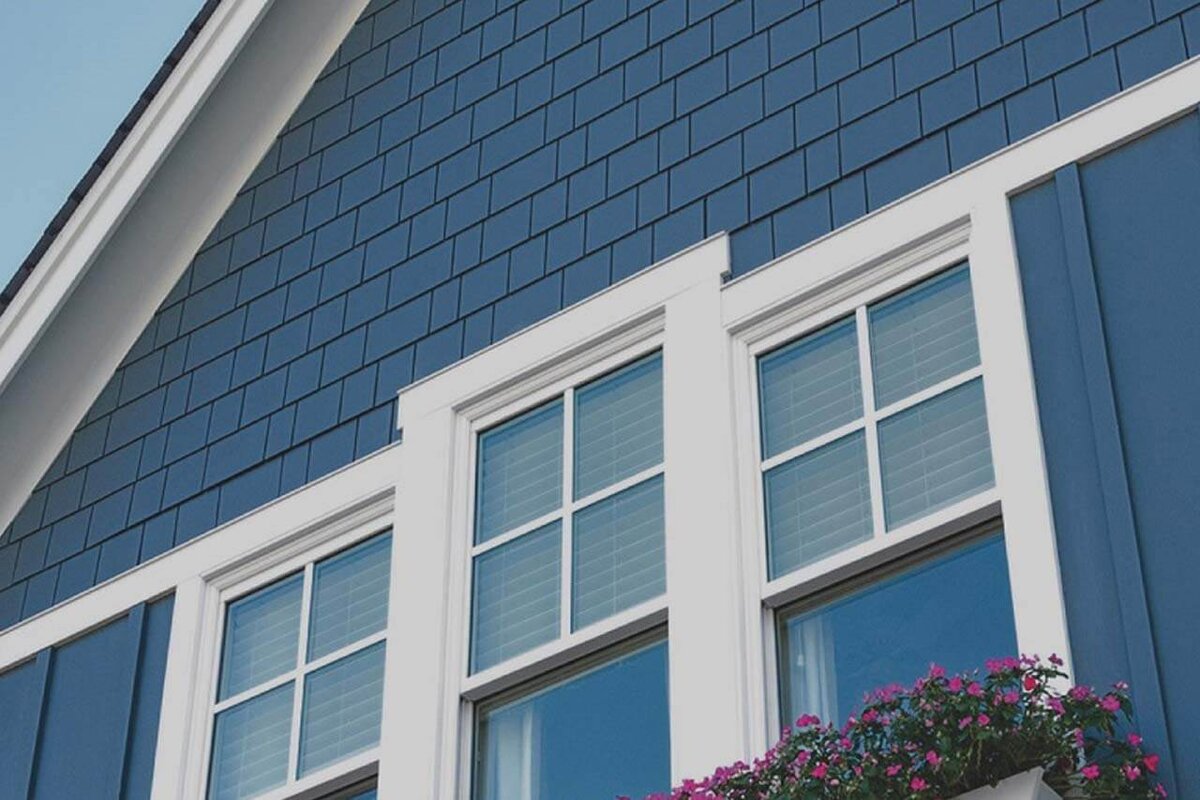
Proper care for your exterior doesn’t have to be complicated. With a few simple steps, you can maintain your James Hardie siding and keep it looking great for years to come. At Elevate Exteriors, we understand the value of regular maintenance and offer clear guidance to help you protect your investment the right way.
Regular Cleaning for Lasting Beauty
Regular cleaning is vital to prevent dirt and debris from accumulating on your siding, which can lead to discoloration or damage over time. Here’s how we recommend you approach this task:
Gentle Washing Techniques
- Frequency: Plan to clean your siding once or twice a year, ideally during mild weather conditions.
- Tools Needed: Utilize a garden hose with a low-pressure spray nozzle and a soft, non-metal bristle brush or cloth.
- Cleaning Solution: For general dirt, plain water suffices. For stubborn spots, mix a mild liquid dishwashing soap with water.
- Method:
- Start from the top of the siding and work your way down to prevent streaking.
- Gently scrub the surface in the direction of the siding’s grain to avoid damage.
- Rinse thoroughly with the garden hose, ensuring all soap residue is removed.
Pro Tip: Avoid using high-pressure washers, as they can damage the siding’s surface and void your warranty.
Addressing Mold and Mildew
In areas prone to moisture, mold or mildew may develop. To tackle this:
- Solution: Use a mildew-specific cleaner, following the manufacturer’s instructions.
- Application: Apply the solution to the affected area with a soft cloth or sponge.
- Cleaning: Lightly scrub to remove the mold or mildew.
- Rinsing: Thoroughly rinse the area with clean water to eliminate any cleaner residue.
Pro Tip: Regularly trimming vegetation around your home can improve air circulation and reduce moisture buildup, preventing mold growth.
Inspecting and Maintaining Caulk Joints
Caulk joints play a crucial role in sealing gaps and preventing water intrusion. Here’s how to ensure they remain effective:
Routine Inspection
- Frequency: Conduct a visual inspection of all caulked areas at least once a year.
- What to Look For: Check for cracks, gaps, or signs of deterioration in the caulking.
Reapplying Caulk
If you notice any issues:
- Removal: Carefully remove the damaged or old caulk without harming the siding.
- Selection: Choose a high-quality, paintable exterior-grade caulk suitable for fiber cement siding.
- Application: Apply the new caulk smoothly to seal all joints and seams effectively.
Pro Tip: Properly maintained caulk joints not only protect your home from moisture but also enhance energy efficiency.
Additional Maintenance Tips
Beyond cleaning and caulking, consider the following practices to extend the life and beauty of your James Hardie siding:
Protecting Against Moisture
- Gutters and Downspouts: Ensure they are clean and direct water away from the siding to prevent water-related damage.
- Sprinkler Systems: Adjust them to avoid spraying water directly onto the siding.
Landscaping Considerations
- Plant Maintenance: Keep shrubs and trees trimmed to prevent them from rubbing against the siding, which can cause scratches or trap moisture.
Paint Maintenance
- Inspection: Regularly check for peeling or chipping paint.
- Touch-Ups: Use touch-up kits provided by James Hardie for minor repairs to maintain the siding’s appearance.
Pro Tip: James Hardie’s ColorPlus® Technology provides a durable finish, but periodic inspections help maintain its aesthetic appeal.
In Summary
To maintain James Hardie siding and keep it looking its best, regular care and upkeep are essential. Proper maintenance not only enhances its durability but also preserves its appearance for years to come. By following these guidelines, you can ensure your home’s exterior stays in top shape.
If you have any questions or need professional assistance, contact us at Elevate Exteriors. Our team is here to help with all your siding maintenance needs.