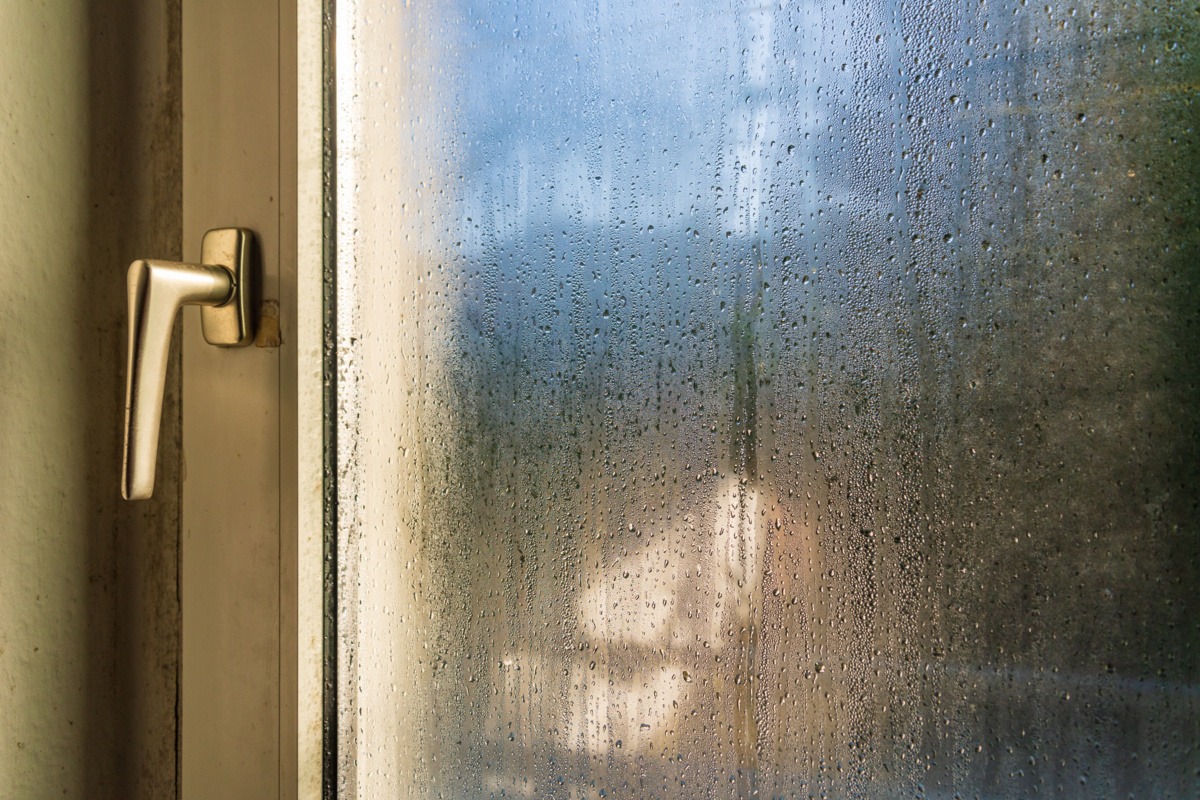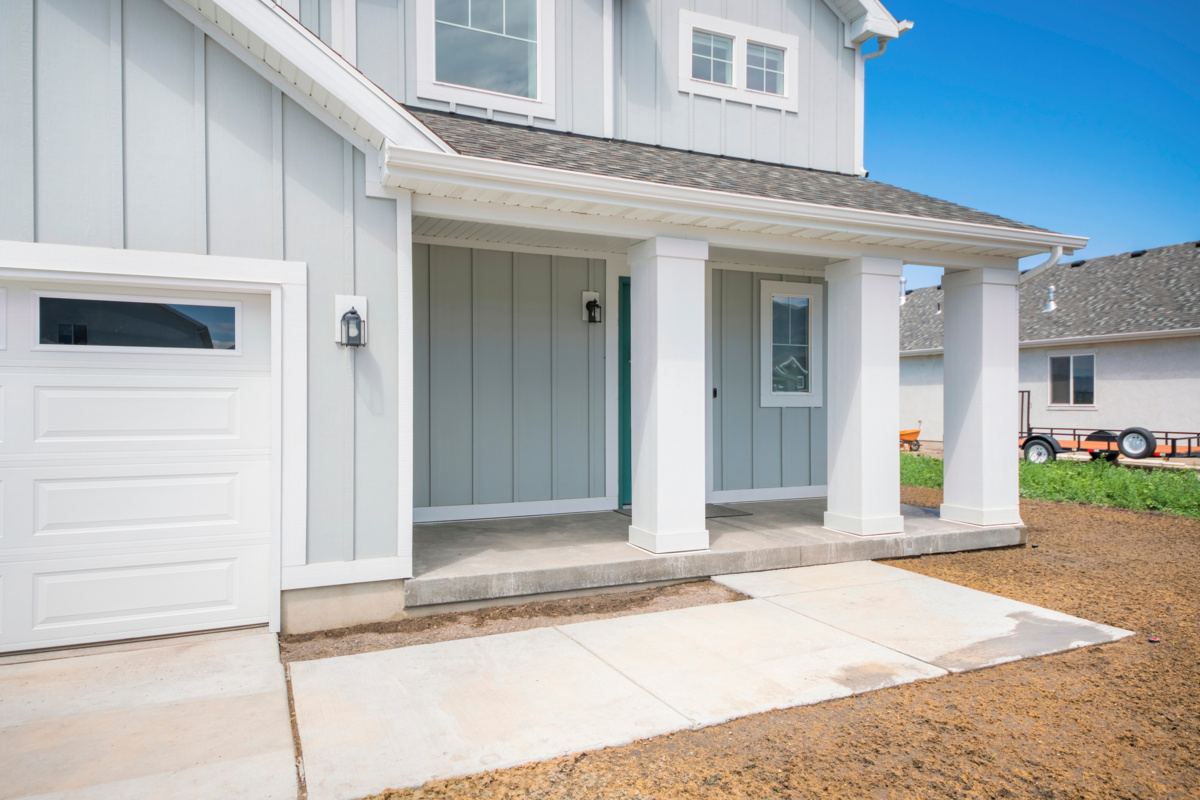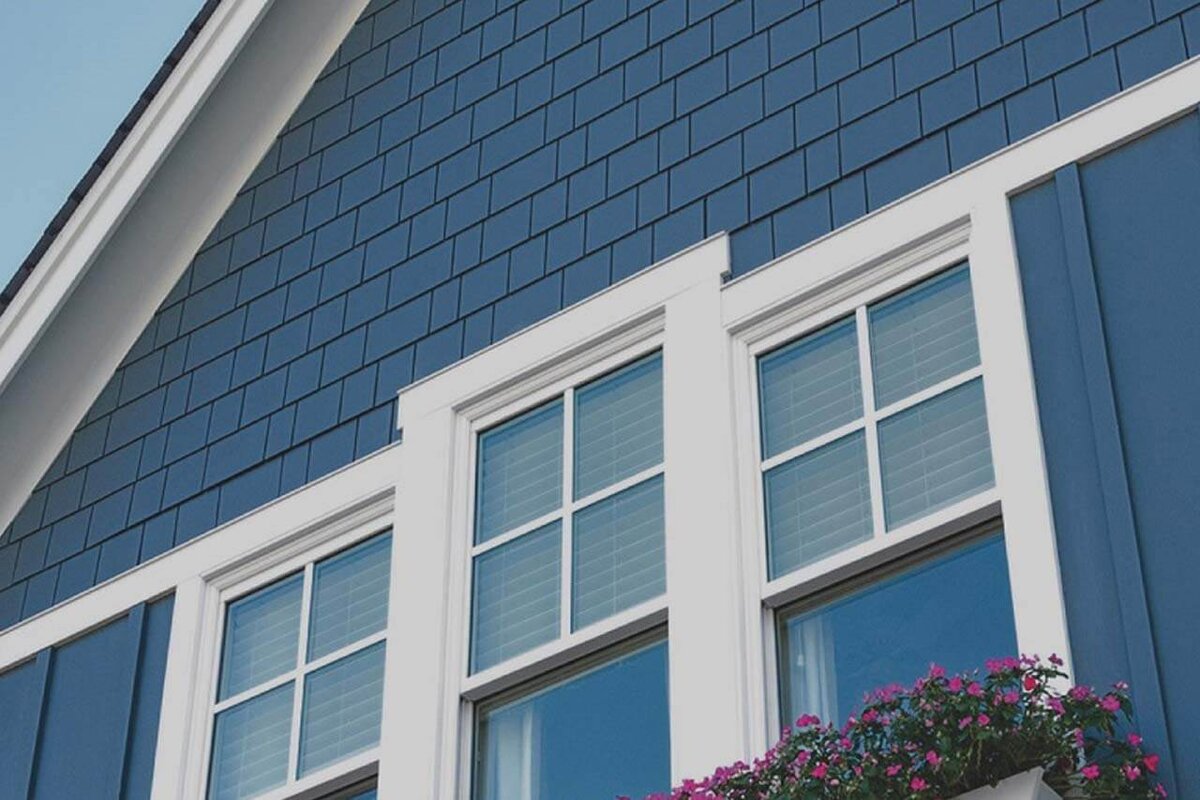
Mold on siding is a sign of excess moisture that can lead to long-term damage. Understanding what causes mold on siding is the first step to prevention. Common causes include poor drainage, leaking gutters, shaded areas, and siding materials that absorb water.
In regions with high humidity or frequent rain, mold can develop quickly and spread beyond the surface. Addressing moisture issues early and selecting mold-resistant siding materials can greatly reduce the risk of ongoing problems.
Understanding Mold and Moisture
Mold thrives in damp environments, and siding that retains moisture is the perfect breeding ground. Certain materials, especially wood, are more prone to mold because they absorb water, allowing mold to spread. When left unchecked, mold can extend beyond the surface, affecting the framing and structural components of your home.
The key to stopping mold is controlling moisture. If water is consistently present on or behind your siding, mold will keep returning. The best way to eliminate mold is to identify and fix the moisture source before it creates long-term damage.
Common Causes of Mold on Siding
Several factors contribute to mold growth on siding. Here are the most common culprits:
1. Excess Moisture Exposure
- Leaking Gutters and Downspouts: Clogged or broken gutters allow water to overflow onto the siding, leading to prolonged dampness.
- Poor Drainage: If water isn’t properly directed away from your home, it can pool around the foundation and create a humid environment.
- Dripping Faucets or Hoses: Water leaks near the siding create damp conditions, encouraging mold growth.
2. Lack of Sunlight and Airflow
- Shaded Areas: Parts of your home that receive little sunlight take longer to dry after rain, making them prone to mold.
- Overgrown Vegetation: Trees and shrubs that touch the siding trap moisture and reduce airflow, creating a mold-friendly environment.
3. Using the Wrong Siding Material
- Wood-Based Siding: Wood naturally absorbs moisture, making it the most susceptible to mold growth.
- Old or Damaged Siding: Cracks, warping, or aging siding can let moisture seep behind the panels, leading to hidden mold problems.
Preventing Mold with Quality Materials
One of the best ways to prevent mold on siding is to choose mold-resistant materials. At Elevate Exteriors, we recommend:
- Fiber Cement Siding (James Hardie Plank): A top choice for moisture resistance, fiber cement siding does not absorb water like wood and is highly durable.
- Vinyl Siding: While not as mold-proof as fiber cement, vinyl is a better option than wood due to its moisture resistance and easy maintenance.
When properly installed with a moisture-resistant barrier, these materials provide an extra layer of protection against mold and water damage.
Steps Homeowners Can Take to Prevent Mold
Even with high-quality siding, routine maintenance is essential. Here’s how you can keep mold away:
1. Perform Regular Maintenance
- Clean Your Gutters: Remove leaves and debris to prevent overflowing water from soaking your siding.
- Inspect for Leaks: Check for dripping faucets, faulty downspouts, or any leaks that might be adding moisture near your siding.
2. Improve Ventilation and Sun Exposure
- Trim Back Trees and Shrubs: Keep vegetation at least a foot away from your home to allow for better airflow.
- Increase Sunlight Exposure: Mold struggles to grow in direct sunlight, so remove anything blocking light from hitting your siding.
3. Wash Your Siding Regularly
- Use a Soft Brush and Mild Cleaner: A gentle cleaning every few months can help remove dirt and mold spores before they spread.
- Apply Mold-Resistant Solutions: Consider using a mold-preventing cleaner to treat problem areas, especially in humid regions.
Choosing the Right Siding with Elevate Exteriors
If you’re dealing with persistent mold issues, upgrading to mold-resistant siding is the best long-term solution. Our recommendations include:
- James Hardie Fiber Cement Siding: The industry leader in mold-resistant siding, offering superior durability and moisture protection.
- Vinyl Siding: A budget-friendly alternative that provides a moderate level of mold resistance.
At Elevate Exteriors, we specialize in high-quality siding installation to keep your home safe from mold and moisture damage. Our team is here to guide you in choosing the best materials for your climate and home style.
In Summary
Mold on siding is caused by excessive moisture, poor ventilation, and the wrong siding materials. Preventing mold requires a combination of proper maintenance, improved airflow, and choosing mold-resistant siding.
If you’re tired of dealing with mold on your siding, Elevate Exteriors is here to help. Contact us today to discuss siding solutions that will keep your home beautiful, mold-free, and protected for years to come.